Crack Identification & Repair
Not all cracks are a problem — here’s how to tell the difference.
Concrete naturally expands and contracts. Some cracks are normal and harmless; others need attention.
Common Types of Cracks
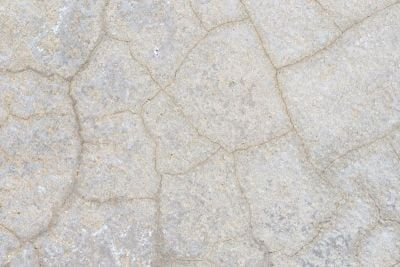 Shrinkage cracks often appear as thin, map-like patterns during curing.
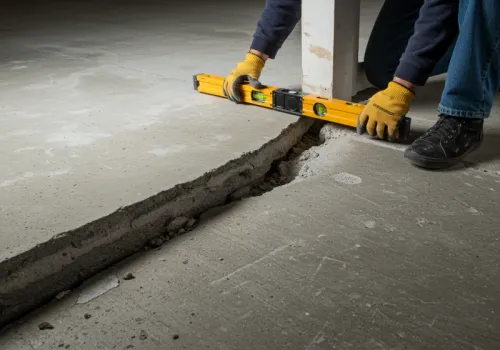 Settlement cracks often show movement, sinking, or height differences.
Hairline Cracks: Normal, cosmetic, and usually harmless.
Shrinkage Cracks: Occur during curing; common and not structural.
Settlement Cracks: Caused by soil movement or poor compaction.
Structural Cracks: Wider, uneven, or displaced — these require professional evaluation.
What’s Normal vs. Concerning
- Normal: thin, stable, no height difference
- Concerning: wider than 1/4 inch, growing over time, lifting or sinking, caused by drainage issues
When to Call a Professional
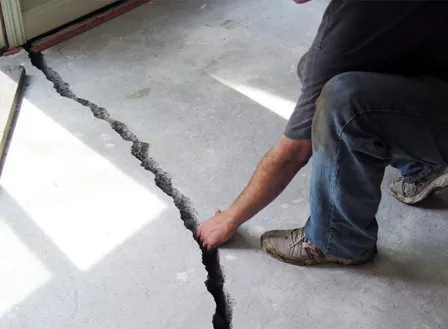 Wide cracks, gaps, or displacement should be evaluated by a professional.
- Cracks wider than 1/4 inch
- Cracks that continue to grow
- Vertical displacement
- Water pooling near the crack
DIY-Safe Repairs
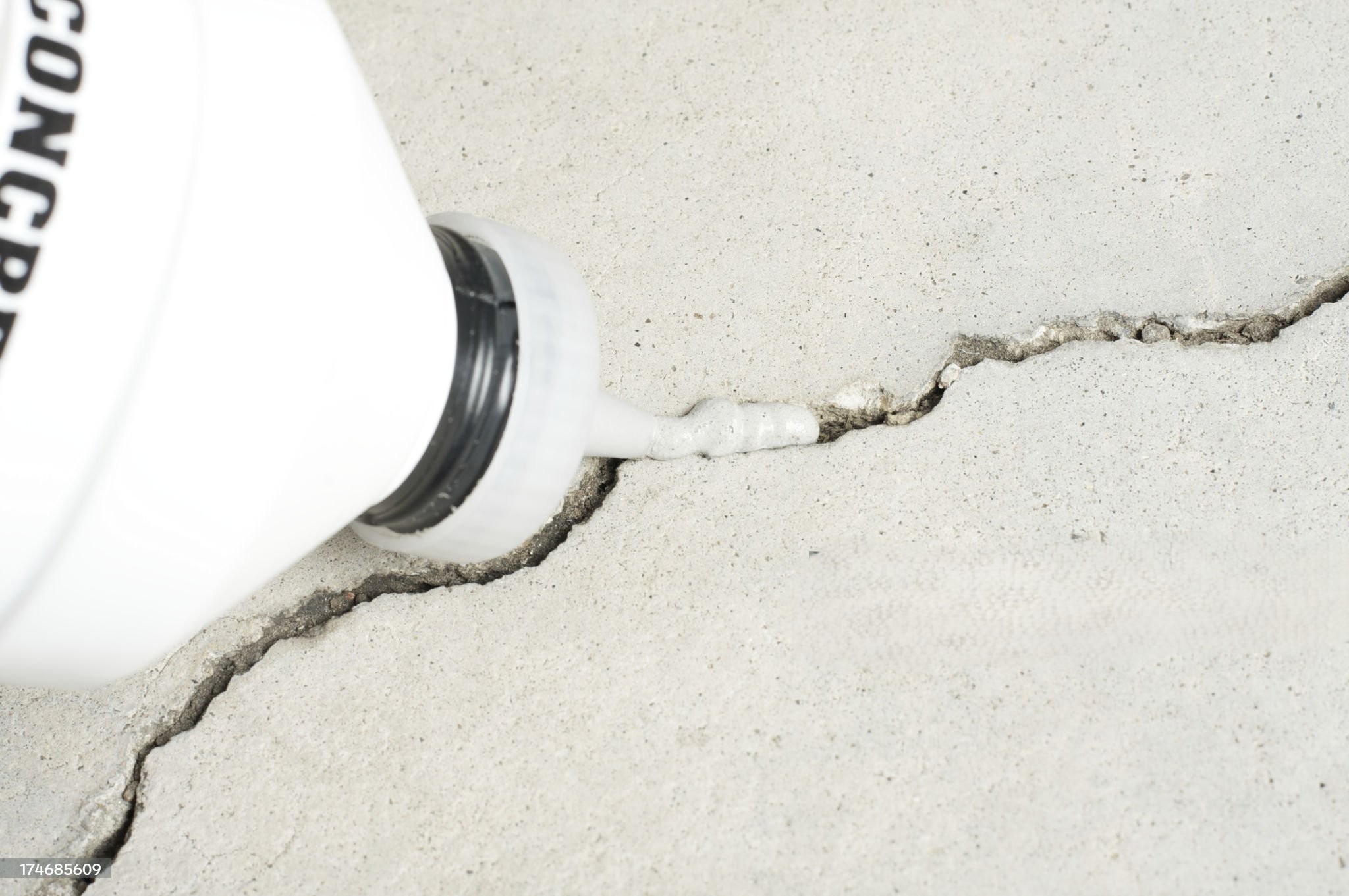 Small cracks can often be sealed to help prevent moisture intrusion.
- Hairline cracks can be sealed to prevent moisture intrusion
- Small surface cracks can be filled with concrete crack sealant
- Avoid overfilling or smearing the surface